
Installing New Floors in Winter: An Upper St. Clair Guide
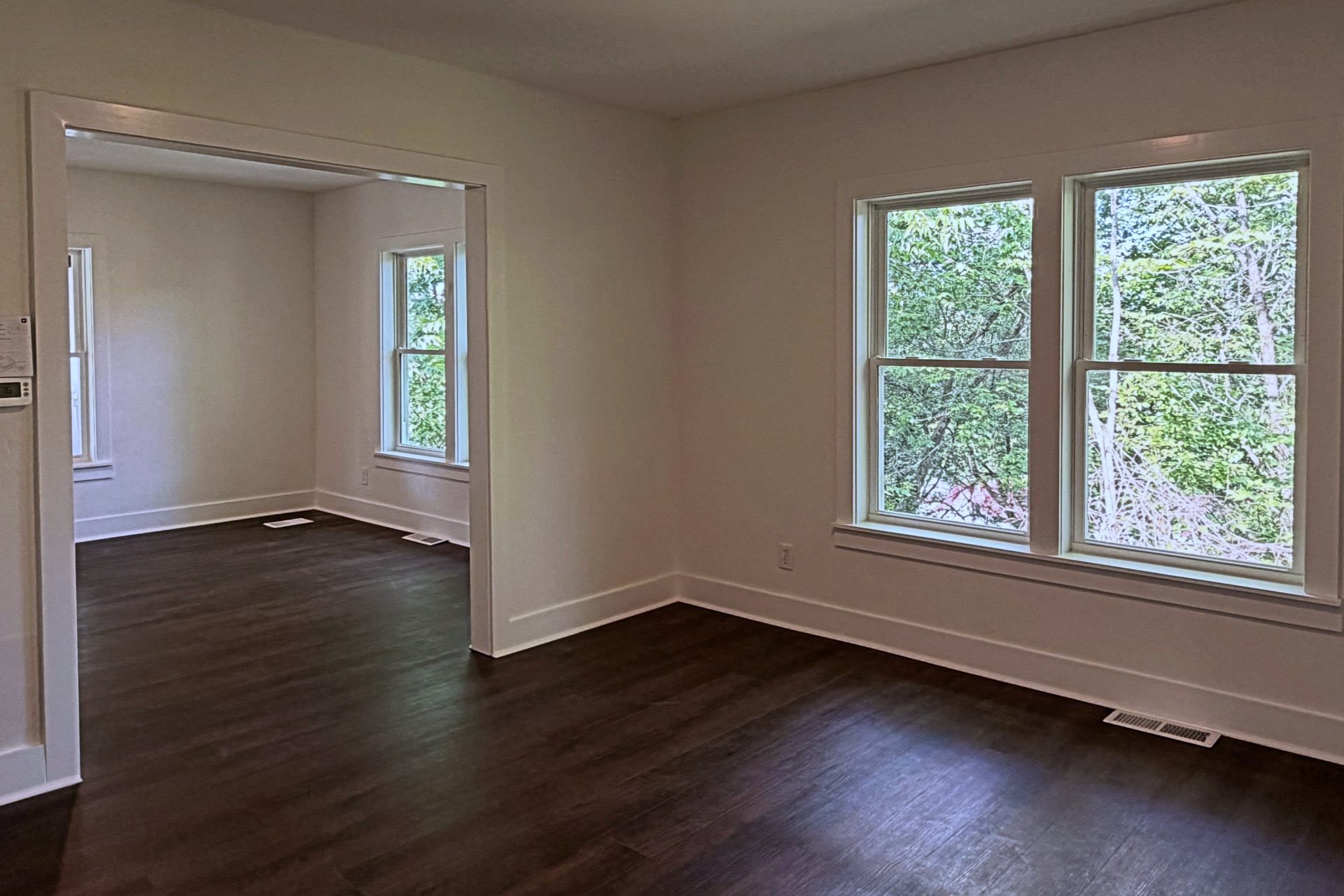
Once the leaves are down in Upper St. Clair, a lot of homeowners turn their attention indoors. The holidays are coming, family will be visiting, and that worn carpet or scratched floor suddenly looks a lot worse. That leads to a common question: can you install new flooring in winter, or should you wait until spring?
The short answer is that winter is often a very good time for flooring, as long as the house is heated, the materials are handled correctly, and the subfloor is ready. Here is what Upper St. Clair and South Hills homeowners should know before they schedule a project.
Is winter a good time to install flooring in Upper St. Clair?
For most interior flooring, yes. Unlike roofing or concrete, flooring goes in inside a conditioned home, so the weather outside matters less than the temperature and humidity inside. Many homeowners prefer the colder months because they are already spending more time indoors.
What does matter in winter is that Western Pennsylvania air gets dry once the furnace runs every day. Wood and wood-based products react to that dryness, so the planning has to account for it.
Acclimation: why your new floor needs time in your house
Most flooring manufacturers require the material to sit in the home before it is installed. This is called acclimation. The boards adjust to the temperature and humidity of the rooms where they will live, so they do not shrink, gap, or cup after they are down.
- Solid and engineered hardwood are the most sensitive. They typically need to acclimate in the actual rooms, with the heat running at normal living temperature, for the period the manufacturer specifies.
- Laminate usually needs acclimation as well, though often for a shorter period.
- Luxury vinyl plank (LVP) is more stable, but many products still list a minimum room temperature before, during, and after installation.
- Tile needs the room, the substrate, and the setting materials to stay within the temperature range on the thinset and grout labels while they cure.
The rule we follow is simple: the manufacturer’s installation instructions come first. Skipping acclimation is one of the most common reasons a new floor develops gaps or buckling in its first year, and it can also affect the manufacturer’s warranty on the product.
Managing dry winter air and humidity
When the furnace runs constantly, indoor humidity can drop well below what wood floors like. Before and after a hardwood or engineered floor goes in, it helps to:
- Keep the heat at your normal living temperature, not turned down to save energy while the house is under construction.
- Check indoor humidity with an inexpensive hygrometer and compare it to the range the flooring manufacturer lists.
- Consider a humidifier (portable or whole-house) if the reading stays low through the winter.
- Avoid installing over a basement or crawl space that is damp, even if the upstairs air feels dry.
Check the subfloor before anything goes down
A new floor is only as good as what is underneath it. When we pull up old carpet or flooring, we look for soft spots, squeaks, uneven areas, and signs of past water damage. Older South Hills homes often hide patched plywood or stains from an old leak around a tub, toilet, or exterior door.
Those issues should be fixed before the new floor goes in. Leveling, replacing damaged sections, and screwing down loose subfloor are much easier to do now than after the new material is installed. If we find evidence of an active leak or moisture, we track down the source first. Moisture coming up from a basement or slab is especially important to address before installing anything over it; our post on finishing a basement in winter covers moisture checks in more detail.
Choosing the right flooring for each room
Different rooms often call for different floors:
- Living rooms, bedrooms, and dining rooms: hardwood, engineered wood, or a quality wood-look plank, chosen for appearance and how you live in the space.
- Kitchens and mudrooms: durable, water-resistant options such as LVP or tile, especially near entry doors where winter salt and snow get tracked in.
- Bathrooms and laundry rooms: tile or a waterproof plank over a properly prepared substrate.
- Basements: products rated for below-grade use, installed only after moisture has been checked.
Seeing materials in person makes these choices much easier. At our Canonsburg showroom, open by appointment, you can view and select samples and take samples home to see how they look in your own light and next to your cabinets, trim, and paint colors.
Plan around the holidays
If you want new floors before guests arrive, plan backward from the date. Leave time for selecting materials, ordering, delivery, acclimation, any subfloor repairs, and the installation itself. Painting the walls before the new floor goes in is often the cleanest order of work; see our guide to painting inside in winter.
Because Peak is a general contractor first, flooring rarely has to be a stand-alone job. Our tradespeople can handle subfloor repair, flooring, trim, drywall, and paint as one project with one point of contact. See our home renovation services and our renovation pages for McMurray and Bethel Park, which neighbor Upper St. Clair.
If your old floor was damaged by a leak or a frozen pipe, Peak is an insurance claim specialist and works with your adjuster on covered damage. We never offer to cover or waive deductibles. Our post on preventing frozen pipes explains how to avoid that kind of damage this winter.
Winter flooring FAQ
Can hardwood floors be installed in winter?
Yes, as long as the house is heated to normal living conditions, the wood is acclimated as the manufacturer requires, and indoor humidity is within the recommended range.
How long does new flooring need to acclimate?
It depends on the product. Follow the manufacturer’s instructions; hardwood and engineered wood generally need the most time, while many vinyl products need less.
Do I need to move out during a flooring installation?
Usually not. Most homeowners stay in the house while work moves room by room, though the rooms being worked on will be off-limits for a period.
Should I paint before or after new floors?
Painting walls first usually makes sense, since drips and ladder marks land on the old floor. Trim is often installed and touched up after the floor is down.
Plan your winter flooring project with Peak Precision
If you live in Upper St. Clair, Bethel Park, Peters Township, Canonsburg, or anywhere in the South Hills and want new floors in place before the holidays or during the winter, call Peak Precision Contracting at (412) 498-4299, visit our showroom at 938 South Central Ave in Canonsburg by appointment, or reach us through our contact page. We’ll walk the space with you, check the subfloor, and give you a detailed, no-obligation estimate. We won’t leave your doorstep until you’re satisfied. PA HIC Registration #PA132469