
How to Document Roof Storm Damage for an Insurance Claim in Mt. Lebanon
A strong fall wind or a heavy storm can leave a roof looking fine from the driveway while shingles, flashing, or gutters took a real hit. When that happens, what you do in the first few days matters as much as the repair itself. Good documentation gives your insurance company a clear picture of what happened and when, and it keeps the claim moving instead of stalling over missing details.
This guide walks Mt. Lebanon homeowners through documenting roof storm damage for an insurance claim, based on the Pennsylvania Insurance Department’s consumer guidance after severe weather.
Why documentation matters before anything gets fixed
The Pennsylvania Insurance Department’s post-storm guidance is consistent on one point: take photos or video of the damage before you clean up or make repairs. Once debris is hauled away or a section of roof is patched, it becomes much harder to show what the storm actually did.
The same guidance also says homeowners are responsible for taking reasonable steps to prevent further damage. That means documenting first, then making temporary repairs, such as covering an opening in the roof, and holding off on permanent repairs until your insurance company has inspected and approved them.
Step 1: Stay safe and contact your insurer
Do not climb onto a wet or damaged roof. Most of what you need can be captured from the ground and from the attic. If a limb is down near power lines, keep clear and call the utility.
Then contact your insurance company or agent as soon as you can and follow their instructions. The Insurance Department recommends writing down the name and title of everyone you speak with, along with the date and time of each call.
Step 2: Photograph the damage the right way
A few habits make storm photos far more useful to an adjuster:
– Start wide, then go close. Take a shot of each side of the house from the yard so the location is clear, then move in on the specific damage.
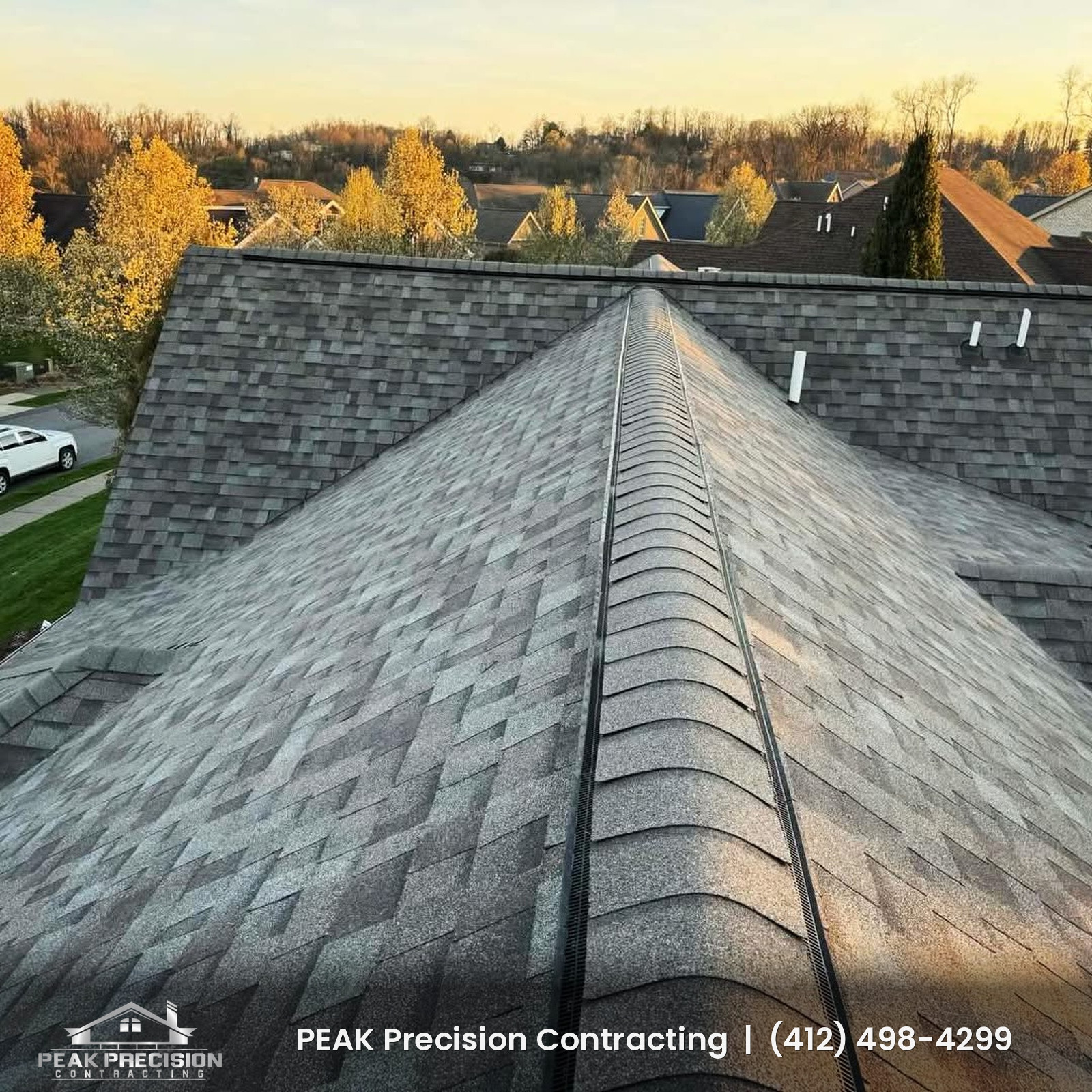
– Capture the roof from the ground. Look for missing or lifted shingles, exposed underlayment, bent flashing around the chimney or vents, and dented or pulled-away gutters. A phone’s zoom is usually enough.
– Go inside. Photograph water stains on ceilings and walls, wet insulation in the attic, and any drips, with something in the frame for scale.
– Record the cause. If a limb came down, photograph it where it landed before it is cut up.
– Keep the originals. Save the files with their dates intact and back them up.
Step 3: Prevent more damage and save every receipt
Once the damage is documented, take care of anything that would let more water in. That might mean covering an opening in the roof, clearing a gutter that is overflowing against the house, or moving belongings away from a leak. Photograph the temporary repair after it is done.
Keep receipts for everything you spend because of the storm, including tarps, materials, and emergency service calls. The Insurance Department notes that the cost of reasonable temporary repairs is typically reimbursed as part of a claim.
Step 4: Understand the damage before you settle
The Insurance Department also advises homeowners not to rush a settlement. If possible, find out what the full repair will cost before you meet with the company’s representative, and be prepared to discuss the offer if it does not match the damage. Storm damage on a roof is not always visible from the ground, which is where a professional inspection helps.
If you and your insurer still disagree, your policy may include an appraisal clause. Some homeowners also hire a public adjuster, a claims professional who works for the policyholder and must be licensed by the Pennsylvania Insurance Department. You can verify a public adjuster’s license on the Department’s website.
Step 5: Choose a registered, local contractor
After a storm, out-of-town crews often knock on doors across the South Hills. The Insurance Department recommends investigating any firm before you hire it, not signing paperwork with blank sections, and not signing off that work is complete until it actually is. In Pennsylvania, home improvement contractors must be registered with the Attorney General’s office, and you can ask for their HIC number. Our guide to spotting storm-chaser roofers covers more red flags.
How our team helps with storm damage claims in Mt. Lebanon
We are a general contractor first, a collective of tradespeople who handle roofing, siding, gutters, interior repairs, water mitigation, and mold remediation. Wind and water damage rarely stops at the shingles, so one inspection can cover the roof, gutters, siding, and the ceiling inside.
When we inspect storm damage, we photograph what we find on the roof itself, explain what is storm-related and what is normal wear, and give you a detailed, no-obligation estimate. As insurance claim specialists, we can work directly with your adjuster and meet them at the property. We never offer to cover or waive deductibles. If water is already coming in, our 24/7 emergency roof repair team can make temporary repairs to stop it. Roof leak detection is a specialty of ours, so hidden leak paths get traced instead of guessed at.
When the claim is approved and it is time to repair or replace, we are an Owens Corning Platinum Preferred contractor. We offer optional craftsmanship warranties up to 25 years, which are separate from the Owens Corning manufacturer warranty. See our storm damage and insurance claims page, our roof repair in Mt. Lebanon page, and our roof replacement in Mt. Lebanon page for more on how we work.
Storm damage claim FAQ
Should I make repairs before the adjuster comes out?
Make temporary repairs needed to prevent further damage, after you have photographed everything. Hold off on permanent repairs until your insurance company has inspected the damage and approved them.
Does homeowners insurance cover roof damage from wind?
It depends on your policy. Sudden storm damage is often treated differently from wear and age. Our post on whether insurance covers roof leaks explains the general difference, but your policy is what decides.
What if I can’t see any damage from the ground?
That is common. Lifted or creased shingles and loosened flashing can be hard to spot from the yard. Check the attic for daylight or damp spots, and look at our post on missing shingles after fall wind. If you are unsure, schedule an inspection.
Schedule a storm damage inspection
If a recent storm hit your home in Mt. Lebanon, Dormont, Upper St. Clair, or anywhere in the South Hills, call Peak Precision Contracting at (412) 498-4299, visit our showroom at 938 South Central Ave in Canonsburg by appointment to see and select materials and take samples home, or reach us through our contact page. We’ll document what we find, explain it in plain terms, and give you a detailed, no-obligation estimate. We won’t leave your doorstep until you’re satisfied. PA HIC Registration #PA132469